
Car body repairs can be a daunting experience for any vehicle owner. Whether it’s a minor scratch or a more serious collision, having to repair the body of your vehicle can feel overwhelming. Understanding the car body repair in Wolverhampton can help you navigate through the necessary steps, ensuring a smooth and stress-free experience. In this article, we will explore the car body repair process, from assessment to completion, and explain the importance of choosing a reputable service.
1. Initial Assessment and Damage Inspection
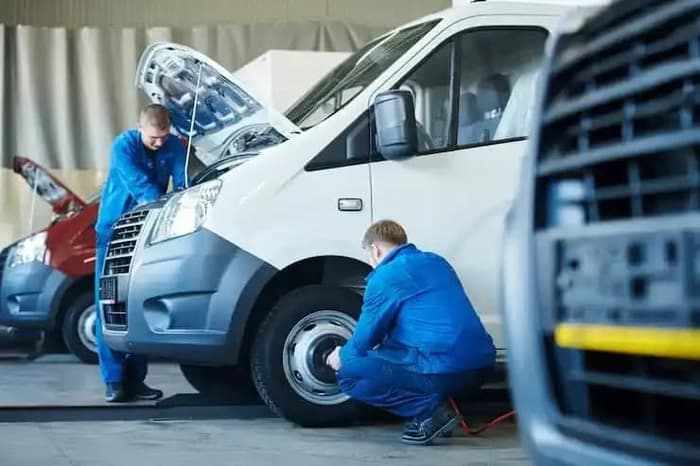
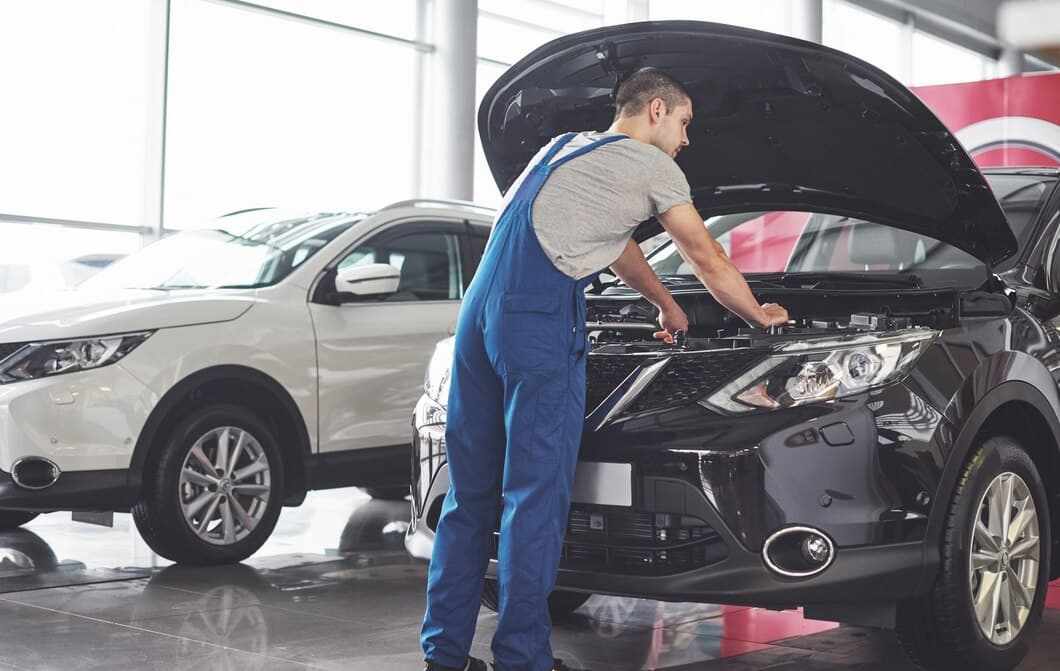
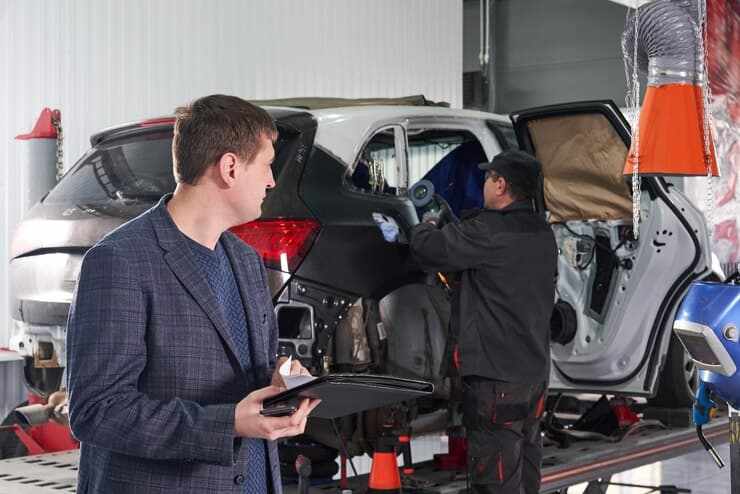
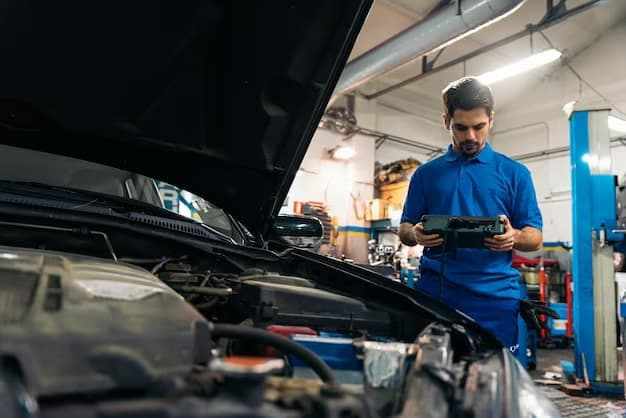
The first step in any car body repair process is the initial assessment and inspection of the damage. This stage involves a detailed evaluation by a professional technician, who will inspect the vehicle thoroughly to determine the extent of the damage. Whether it's dents, scratches, or more serious structural damage, a careful inspection is essential for providing an accurate repair estimate.
Identifying Types of Damage
The damage to your vehicle can fall into different categories, each of which requires specific attention. These include:
Minor Dents and Scratches: Often caused by parking lot incidents, small impacts, or road debris. These are usually cosmetic and don’t affect the structural integrity of the vehicle.
Structural Damage: This can occur in more serious accidents where the car’s frame or body parts are bent, cracked, or misaligned. Structural repairs are typically more complex and may require specialized equipment.
Paint Damage: Scratches or chips in the paint are common after a collision. They not only affect the vehicle’s appearance but can also lead to rusting if left untreated.
Accurate Damage Assessment
Once the technician inspects the vehicle, they will provide an estimate for repairs. This estimate will include the cost of parts, labor, and the estimated time required to complete the repair. In some cases, the technician may also take photographs or detailed notes for insurance purposes, should you need to file a claim.
2. Insurance and Claims Process
After the initial assessment, the next step is often dealing with the insurance claim. If your vehicle was involved in an accident, it’s important to contact your insurance provider to determine what repairs are covered under your policy. Most insurance companies work closely with car body repair shops, allowing for a seamless process between the insurer and the repair shop.
Filing an Insurance Claim
The insurance claims process can vary depending on your insurer, but typically, the steps include:
Reporting the Accident: Immediately report the accident to your insurance company, providing them with all the details of the incident.
Assessment by an Insurance Adjuster: In some cases, an insurance adjuster will need to inspect the damage to determine the extent of the repairs and whether the claim will be approved.
Approval and Authorisation: Once the claim is approved, the insurance company will provide authorization to proceed with the repairs. Some insurers may have a list of approved body shops, while others may allow you to choose a shop that you trust.
Out-of-Pocket Repairs
If your insurance doesn’t cover the cost of repairs, or if you have a deductible to pay, you may need to cover the remaining balance out of pocket. Some repair shops may offer financing options or payment plans, allowing you to pay for the repairs over time.
3. Repair Process: Bodywork and Painting
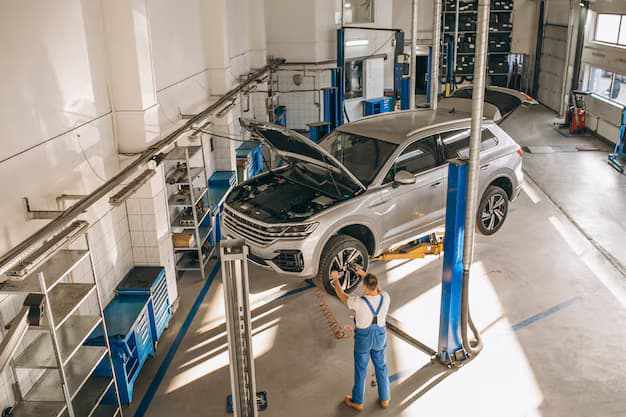
Once the insurance claim is processed and the vehicle is ready for repair, the actual work can begin. The car body repair process typically involves several key stages, including bodywork and painting.
Repairing Dents and Scratches
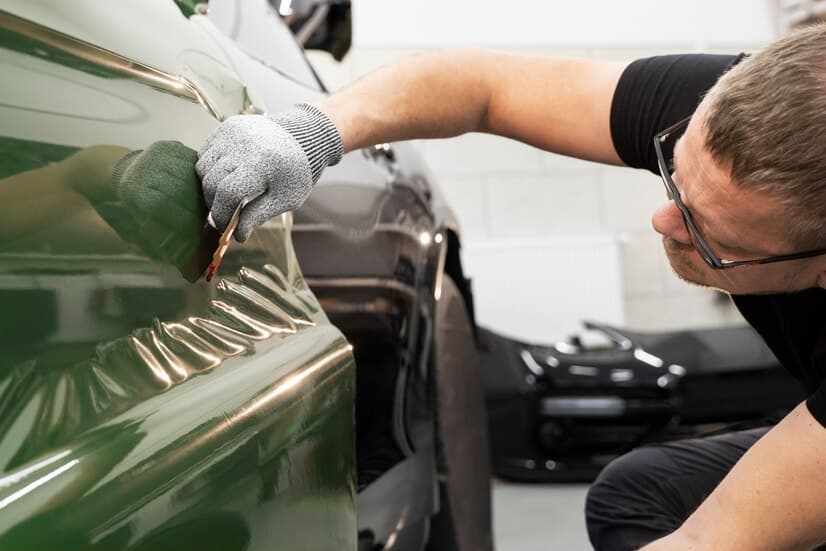
Minor dents and scratches are among the most common types of repairs. For these issues, the technician will use specialized tools and techniques to restore the bodywork. In some cases, a dent removal process called Paintless Dent Repair (PDR) can be used to remove small dents without damaging the original paint.
Dent Removal: For minor dents, the technician will use suction devices or small hammers to gently reshape the damaged area.
Scratch Repair: Scratches are usually filled with a filler material that is sanded smooth to match the surrounding area. Once the filler has dried, the area is primed and painted to restore the vehicle’s appearance.
Repairing Structural Damage
In the case of more severe damage, such as when the vehicle’s frame or body structure has been compromised, the repair process becomes more involved. Structural repairs may include the following:
Frame Straightening: This is done using hydraulic machines that apply pressure to straighten the vehicle’s frame.
Panel Replacement: In cases where the metal body panels are severely damaged, they may need to be replaced entirely. New panels are welded or bolted into place, ensuring the vehicle is restored to its original condition.
Repainting the Vehicle
After the bodywork is repaired, the vehicle will need to be repainted. The technician will match the new paint to the existing color of the vehicle. This step involves several stages:
Surface Preparation: The damaged areas are sanded down to ensure a smooth surface for the new paint.
Priming: A primer is applied to the repaired area to ensure good adhesion of the paint and to prevent rusting.
Painting: The technician will apply multiple layers of paint to the repaired area, ensuring that the color matches seamlessly with the rest of the car.
Clear Coat: A clear coat is applied to protect the paint and give the vehicle a glossy finish.
4. Quality Control and Final Inspection
Once the repairs are complete, a quality control check is carried out to ensure that everything is in working order and meets industry standards. This inspection typically covers both the aesthetic and functional aspects of the repair.
Checking for Alignment and Functionality
The technician will check that all panels are properly aligned, ensuring that doors, hoods, and trunks open and close smoothly. The functionality of lights, windows, and locks will also be tested to ensure that the car is fully operational.
Paint and Finish Inspection
The newly painted areas will be closely examined for any imperfections, such as uneven paint, drips, or bubbles. If any issues are found, the technician will address them before the vehicle is returned to the owner.
5. Delivery and Post-Repair Care
Once the car body repair is complete and it has passed the final inspection, the vehicle is ready for delivery to the owner. Before picking up your car, ensure that you are fully satisfied with the repairs.
Final Walkthrough
When you pick up your car, the technician will typically walk you through the repairs to ensure that everything was completed to your satisfaction. You’ll have the opportunity to ask questions about the repairs or request additional information about the process.
Post-Repair Care
After the repairs are complete, it’s important to take good care of your vehicle. Depending on the type of repair, the technician may recommend waiting a certain period before washing or waxing the vehicle to allow the paint to cure properly. Additionally, any warranties or guarantees for the work done should be provided, so you know what to do if you encounter any issues later on.
Conclusion
Understanding the car body repair process in Wolverhampton helps ensure that you’re well-informed and prepared when it comes time to repair your vehicle. By following these steps and knowing what to expect, you can ensure that your car receives the best care possible. Whether it’s minor cosmetic repairs or major structural work, it’s important to choose a repair service that you can trust to restore your vehicle to its original condition.
For top-quality car body repairs, Auto Surefit Limited is your trusted partner for all types of vehicle bodywork in Wolverhampton.



Write a comment ...